Understanding the Need for Long-Term Termite Prevention
Termites are becoming a growing concern across several parts of Canada. While the country was once considered too cold for widespread termite activity, shifting temperatures and changes in urban development have created new habitats for these pests. Cities like Toronto, Vancouver, and parts of southern Manitoba have seen rising infestations. As termites continue to adapt, long-term protection has become an essential part of responsible home maintenance.
Many homeowners worry about visible pests, but termites often go unnoticed for years. Their ability to work behind walls, under floors, and within foundations can cause significant structural damage before any signs appear. This is why prevention and continuous monitoring now play a central role in home safety.
Why Termites Are a Serious Structural Threat
Termites consume cellulose, which is found in wood and other plant-based materials. This puts framing, flooring, support beams, and even some insulation materials at risk. A mature colony can contain hundreds of thousands of termites, all feeding around the clock.
Although Canadian homes may not face the same level of risk as homes in tropical regions, a single undetected colony can still cause extensive damage. Repairs often run into thousands of dollars and can require structural reinforcement, foundation work, or full replacements of weakened areas.
Silent Damage Over Time
Termites rarely leave obvious signs until the infestation has reached an advanced stage. Mud tubes, hollow-sounding wood, peeling paint, and discarded wings are among the few visible indicators. By the time these appear, colonies have usually expanded.
This delayed detection makes proactive termite monitoring critical. Homeowners who invest in long-term solutions significantly reduce their risk of major repair costs.
The Role of Termite Monitoring Systems
A strong monitoring system is one of the best ways to spot termite activity early. Most modern systems combine above-ground and below-ground stations that track movement and feeding patterns. These are placed in areas where termite activity is most likely to occur.
Monitoring devices do not attract termites in a harmful way. Instead, they act as early warning tools that let homeowners detect any shifting activity around their property. When caught early, treatment is faster, easier, and more affordable.
How Monitoring Stations Work
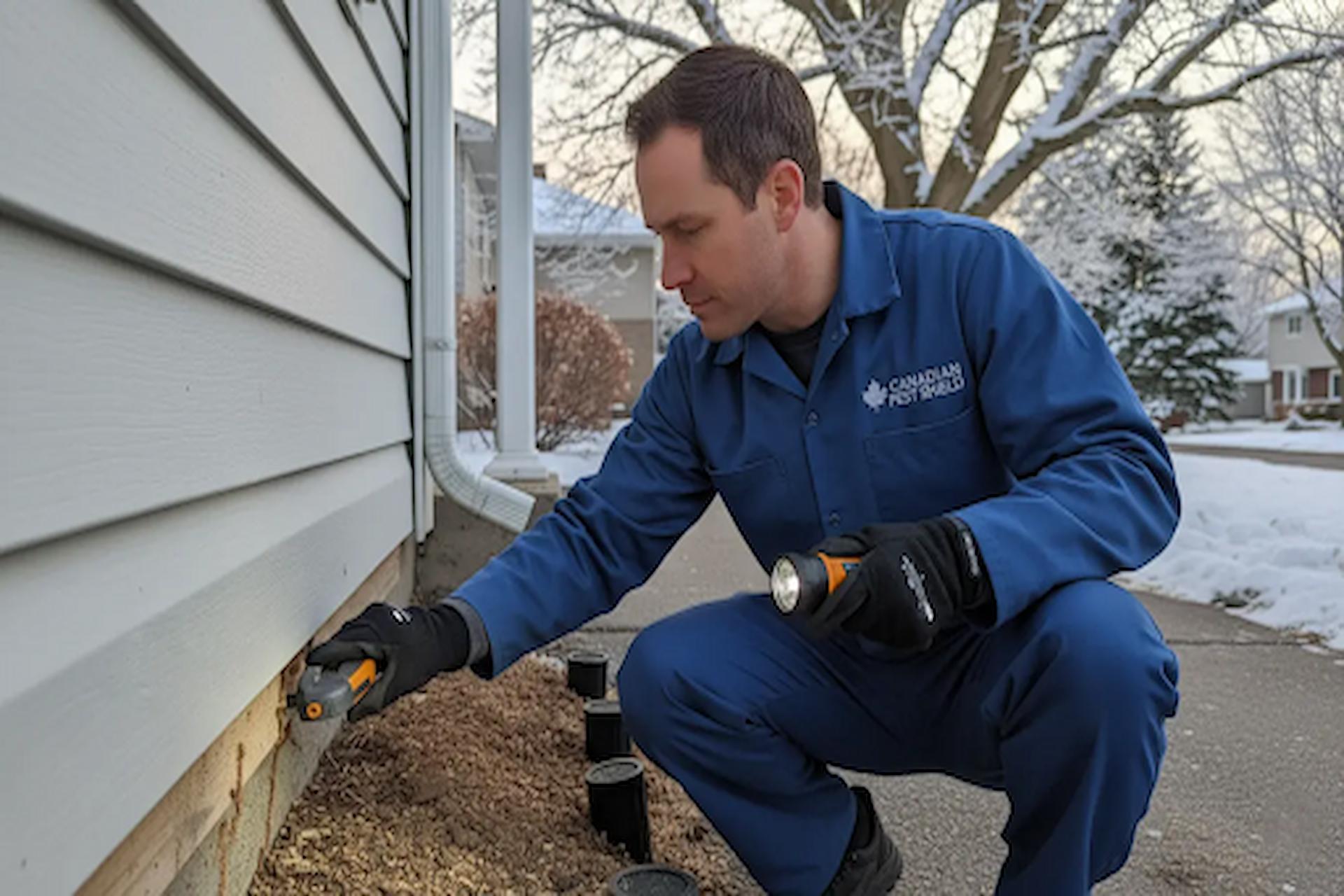
Below-ground stations are placed in soil around the home. They allow professionals to check for new colonies by tracking feeding behavior. Above-ground stations may be installed inside crawl spaces or basements to capture activity closer to the structure.
These systems are checked on a schedule, often every few months. If termites are detected, treatment begins before they can reach the home. Many homeowners pair monitoring with professional plans from companies that specialize in termite pest control Canada, ensuring consistent protection.
Canadian Climate and Its Impact on Termite Behaviour
Climate plays a large role in termite development. As winters grow milder in some regions, termite survival rates increase. Extended warm seasons also allow colonies to grow faster.
In Canada, subterranean termites are the most common type. They prefer moist soil and travel through underground tunnels to reach food sources. Homes with high humidity, poor drainage, or soil contact at the foundation face higher risk.
Regional Activity Differences
Ontario experiences the highest termite activity, especially in older neighborhoods with mature trees and aging wood structures. British Columbia has also seen more infestations, especially in coastal areas where humidity levels support termite growth.
Understanding these regional patterns helps homeowners judge the level of protection they need. Even in low-risk areas, long-term monitoring provides peace of mind and keeps homes safer.
Simple Prevention Steps Every Homeowner Can Take
While professional monitoring is essential, homeowners can strengthen protection by adopting good maintenance habits. Small improvements reduce moisture, eliminate food sources, and make homes less attractive to termites.
Improve Drainage Around Your Home
Poor drainage creates damp soil that attracts subterranean termites. Extending downspouts, cleaning gutters, and ensuring proper grading helps water flow away from the foundation.
Reduce Wood-to-Soil Contact
Wood touching the ground provides a direct path for termites. Keeping fence posts, decks, and other structures elevated reduces risk. If soil contact is unavoidable, pressure-treated lumber is a better choice.
Fix Moisture Problems Indoors
Basements, crawl spaces, and bathrooms often trap humidity. Using dehumidifiers, sealing cracks, and improving ventilation lowers the chance of termite activity.
Store Firewood Safely
Firewood stacked against the house can draw termites closer. Storing it at least several meters away helps prevent accidental infestations.
The Benefits of Professional Termite Monitoring Plans
Professional services offer advantages that homeowners cannot achieve alone. Certified specialists understand how termites behave in Canadian climates and know where colonies typically appear.
A monitoring plan ensures regular inspections, timely adjustments, and fast responses if activity is detected. Many companies that provide termite pest control Canada also include guarantees or retreatment warranties, giving homeowners long-term security.
What to Expect During a Professional Inspection
Inspections involve checking wood structures, crawl spaces, and the perimeter of the home. Specialists look for moisture problems, soil conditions, and structural vulnerabilities. They also examine monitoring stations, record activity levels, and recommend tailored solutions.
These inspections are usually quick and non-invasive. Reports help homeowners understand the condition of their property and the risks involved.
Long-Term Prevention Strategies for Canadian Homes
Long-term protection is not just about treating termites when they appear. It requires year-round attention to environmental factors, structural maintenance, and professional oversight.
Choose Baiting Systems for Ongoing Protection
Baiting systems complement monitoring stations by eliminating colonies over time. Baits contain slow-acting ingredients that termites carry back to their nests, eventually reducing population levels.
These systems are safe for families and pets and have become a popular option in regions where termite activity continues to spread.
Seal Entry Points and Improve Structural Integrity
Cracks in foundations, gaps in siding, and loose window frames create easy access points for termites. Sealing these weak spots prevents pests from entering and strengthens home durability.
Maintain Regular Inspections
Even low-risk homes benefit from yearly inspections. Seasonal changes may shift termite patterns, especially during wet seasons or warm winters.
How Termite Pest Control Canada Services Support Homeowners
Homeowners who partner with trusted services gain access to specialized tools, deeper knowledge, and consistent protection. Companies that focus on termite pest control Canada understand local risks and offer solutions designed specifically for Canadian climates.
These services also provide education, helping homeowners recognize early signs and adopt better long-term habits. The combination of professional guidance and homeowner involvement creates a strong line of defense.
Comparing Prevention Costs to Structural Repairs
Preventing infestations is far more affordable than repairing structural damage. Termite repairs often involve replacing beams, joists, flooring, or entire sections of framing.
Monitoring and prevention plans offer predictable annual costs, which are significantly lower than major reconstruction. Investing in long-term protection provides financial stability along with peace of mind.
Signs You Should Start Monitoring Right Away
Some homes are at higher risk due to location, age, or environmental factors. You should consider immediate monitoring if you notice:
- Persistent moisture around foundations
- Mud tubes along exterior walls
- Hollow or weakened wood
- Winged insects near windows
- Previous termite issues in the area
Even if these signs are not present, new neighborhoods can still become hotspots as communities grow.
The Future of Termite Prevention in Canada
As termite populations expand and climates continue to shift, prevention will only become more important. Technology is improving, giving homeowners access to smarter monitoring systems and more effective long-term treatments.
Canadian pest experts anticipate that infestations will become more common in the coming decades. Staying informed and proactive ensures that homes remain safe despite these changes.
Conclusion
Termites may be small, but their impact on Canadian homes can be significant. Long-term prevention is the most reliable way to protect your investment and avoid expensive repairs. Monitoring systems, professional inspections, and smart maintenance habits all work together to reduce risk.
Whether you live in a high-risk region or simply want peace of mind, partnering with professionals who specialize in termite pest control Canada ensures your home stays protected for years to come. Taking action today helps you future-proof your home and maintain a safe, strong, and healthy living environment.