Glass safety is more than just a precaution—it’s a professional responsibility. Emergency glaziers follow strict safety standards to protect lives, property, and the structural integrity of buildings. This resource provides an overview of the vital glass safety regulations., installation protocols, and inspection practices that every expert glazier adheres to. Discover how certified professionals ensure compliance, minimize hazards, and deliver safe, high-quality glazing services for homes and businesses.
Glass is one of the most versatile materials in modern construction, but it can also be one of the most dangerous when not handled correctly. That’s why Glaziers Colchester and other professionals across the UK adhere to rigorous safety standards to protect people and property. Whether replacing shattered windows after an accident or installing new glass in a commercial building, emergency glaziers follow strict protocols to ensure every job is safe, compliant, and durable. These standards are not only about meeting regulations—they’re about ensuring every project is performed with precision and care.
The Basics of Glass Safety Regulations
Glass safety standards are not optional—they are legal and professional requirements. In the UK, glazing work must comply with Building Regulations Part K and British Standards (BS 6262). These guidelines outline the correct use, installation, and handling of safety glass.
Building Regulations Part K focuses on the protection of occupants from injury due to impact, collision, or breakage. It requires specific types of glass in high-risk areas such as doors, low-level windows, and shower enclosures. Meanwhile, BS 6262 provides technical specifications for glass thickness, edge strength, and installation methods.
Following these standards ensures that every glass installation is both safe and structurally sound.
Types of Safety Glass Used by Emergency Glaziers
Emergency glaziers must know which type of glass suits each environment. Choosing the wrong material can lead to catastrophic failure. Here are the main types of safety glass they work with:
- Toughened Glass
Also known as tempered glass, this type is heat-treated to increase its strength. When broken, it shatters into small, blunt pieces instead of sharp shards, reducing the risk of injury. - Laminated Glass
Comprising two or more glass layers with an interlayer of plastic (usually PVB), laminated glass holds together when shattered. It’s commonly used in storefronts, skylights, and car windscreens for added safety. - Wired Glass
This glass type contains a wire mesh that holds fragments in place upon breakage. It’s often installed in fire doors and industrial settings for added security. - Safety Film Glass
A clear adhesive film is applied to glass surfaces to prevent shards from scattering if the glass breaks. It’s a cost-effective solution for older buildings.
Each type is chosen based on the installation site, risk level, and regulatory requirements.
Risk Assessment Before Any Glazing Work
Before an emergency glazier begins a repair, a thorough risk assessment is conducted. This step identifies potential hazards, such as unstable glass edges, surrounding debris, or structural weaknesses. The assessment also ensures that proper protective gear and equipment are used.
A professional glazier will:
- Inspect the damaged area for sharp edges or loose fragments.
- Evaluate the location’s exposure to wind, impact, or vibration.
- Determine whether temporary boarding-up is required before permanent glazing.
This proactive approach minimizes accidents and ensures compliance with workplace safety laws.
Personal Protective Equipment (PPE) and Safe Handling
Safety starts with proper equipment. Every glazier must wear personal protective equipment (PPE), including:
- Cut-resistant gloves
- Safety goggles or visors
- Steel-toe boots
- High-visibility vests
- Protective sleeves or jackets
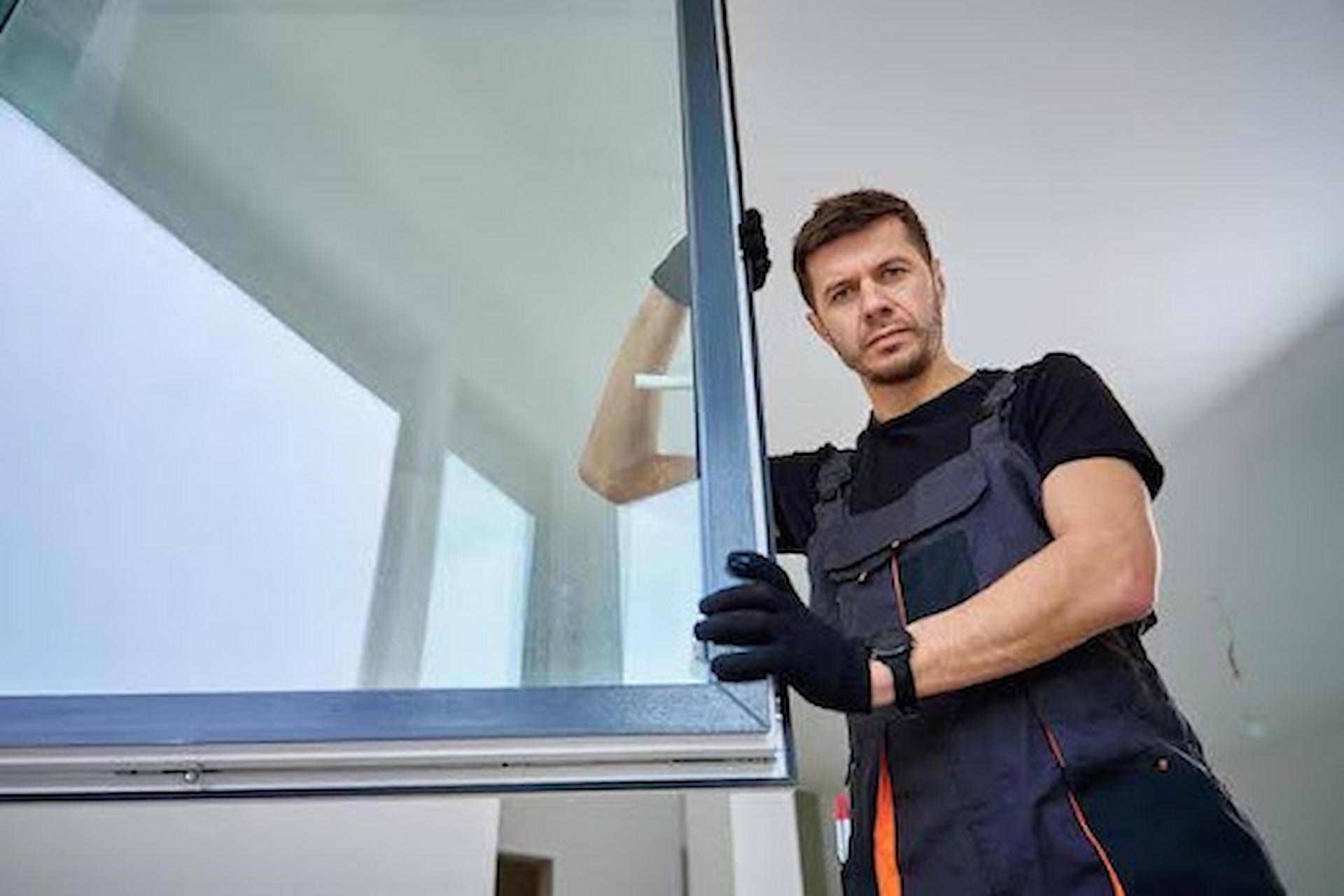
When handling large or heavy glass panels, suction lifters and carrying frames are used to maintain control and reduce strain. Proper lifting techniques are crucial, as glass can be deceptively heavy and difficult to manoeuvre.
Professionals never rush this process. They understand that one small mistake can lead to serious injuries or costly damages.
Installation Standards and Best Practices
The installation process is just as critical as the material itself. Emergency glaziers follow strict procedures to ensure glass is properly supported and securely fixed.
Key best practices include:
- Ensuring the frame is stable, clean, and dry before installation.
- Using appropriate sealants and setting blocks for stability.
- Avoiding direct contact between glass edges and metal surfaces.
- Applying even pressure during installation to prevent stress points.
Adhering to these standards guarantees that glass installations can withstand temperature fluctuations, pressure, and external forces.
The Role of Professional Certification and Training
Emergency glaziers undergo comprehensive training before they can handle real-world jobs. Certification from recognized bodies, such as The Glass and Glazing Federation (GGF) or FENSA, confirms that a glazier understands both the theory and practice of glass safety.
Certified professionals must stay updated on evolving safety regulations and installation techniques. This continuous learning ensures that every repair or replacement meets modern safety and performance standards.
In the heart of Colchester, experienced professionals such as Glaziers Colchester demonstrate these practices daily, providing fast, compliant, and reliable glass repair and replacement services for homes and businesses alike.
Glass Markings and Identification
One of the most overlooked aspects of glazing safety is proper glass marking. All safety glass must carry a visible identifying mark, often including the manufacturer’s logo and compliance information. This allows inspectors and homeowners to confirm that the glass meets regulatory standards.
For example, toughened or laminated glass used in critical locations—like door panels or balustrades—must be clearly labelled with relevant safety codes. Unmarked or non-certified glass is never acceptable for use in high-risk areas.
Maintenance and Post-Installation Checks
Even after installation, safety doesn’t end. Regular maintenance and inspections are essential to ensure long-term performance. Glaziers advise homeowners and business owners to check for:
- Cracks, chips, or edge damage
- Loose fittings or worn seals
- Signs of water ingress or condensation
- Shifting or misalignment in frames
By addressing these issues early, costly replacements and potential hazards can be avoided.
Emergency Repairs: Precision Under Pressure
Emergency glazing situations demand both speed and precision. Whether it’s a shopfront smashed by accident or a storm-damaged window, glaziers must respond promptly without compromising safety.
They arrive equipped with the right materials, tools, and replacement glass. Temporary boarding may be installed to secure the site before permanent glass fitting. Every step is documented, and the area is cleaned thoroughly to prevent injury or obstruction.
This commitment to safety and professionalism reassures clients that their property is in expert hands.
Environmental and Safety Compliance
Modern glaziers also consider the environmental impact of their work. They recycle old glass where possible and dispose of waste safely according to Environmental Agency guidelines. Additionally, energy-efficient glazing options—like double or triple glazing—are recommended to reduce energy loss and improve comfort.
Balancing safety with sustainability reflects the professionalism that today’s glaziers bring to their craft.
Why Glass Safety Standards Matter
Adhering to strict glass safety standards is not just about compliance—it’s about protecting lives and property. A single oversight can cause severe injury or costly structural damage. By following national regulations, using certified materials, and applying safe installation techniques, glaziers ensure that every project meets the highest standards of safety and quality.
Whether it’s an emergency repair or a full window replacement, choosing trained and certified professionals is the best way to guarantee safety, durability, and peace of mind.
Conclusion
Glass safety standards play a critical role in protecting people, property, and the wider built environment. Every emergency glazier operates within strict guidelines to ensure that repairs and replacements meet regulatory requirements, structural expectations, and long-term durability. From using approved safety glass types to following precise installation techniques and risk-assessment procedures, compliance is essential to preventing accidents and maintaining public confidence. These standards reflect a commitment to professionalism and accountability, ensuring that even urgent work is completed with care and precision. When safety comes first, homeowners and businesses gain the assurance that their glazing solutions are secure, resilient, and fit for purpose.