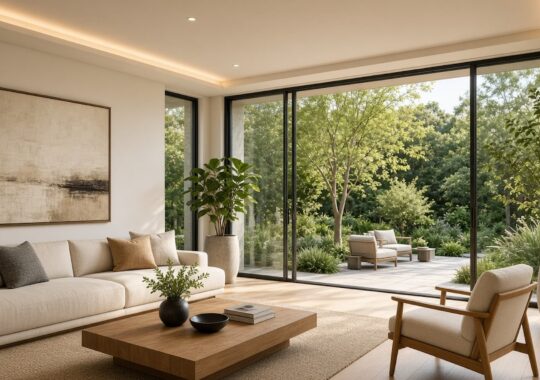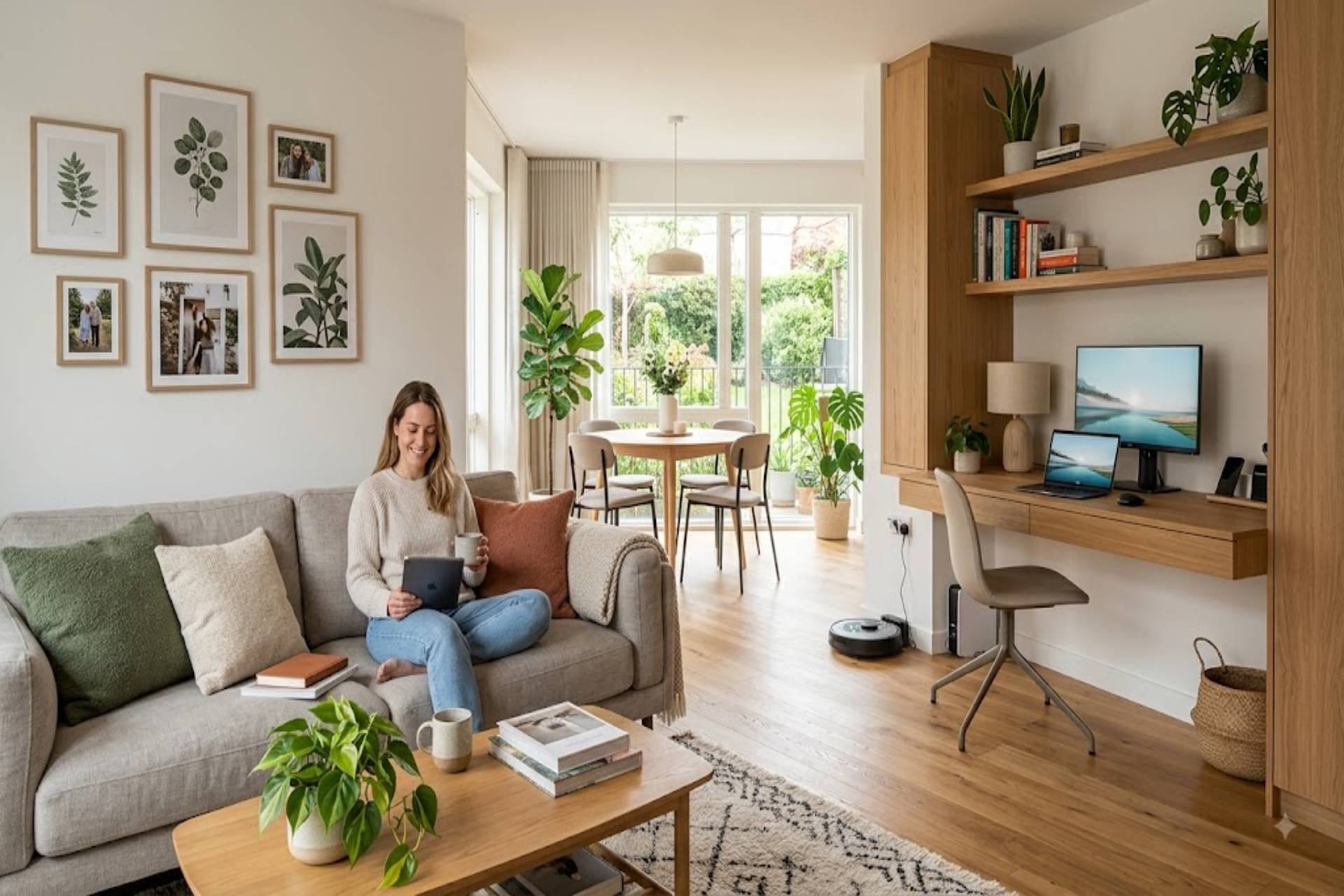
Smart interiors aren’t about chasing the newest trend. They’re about building rooms that work as hard as you do—day after day—while still looking beautiful. When layout, lighting, storage, and materials are chosen with intention, the whole home starts to feel calmer, easier, and more “you.”
Below is a practical guide you can use whether you’re planning a new space, refreshing an apartment, or just trying to make your current home feel more supportive.
Start With a Layout That Makes Daily Life Easier
Before you buy décor or upgrade finishes, get the basics right. The right layout reduces friction—things feel easier because your rooms are arranged for how you actually move and live.
Ask yourself:
- Where do you naturally pause? Entryways, hall corners, and near seating areas.
- What tasks need clear space? Cooking, working, reading, folding laundry.
- What’s getting in the way? A blocked walkway, a clutter-prone surface, a door swing that ruins furniture placement.
Quick wins that change everything
- Keep main walkways clear and wide.
- Place high-use items within easy reach (not “somewhere in a cabinet”).
- Create zones: sleeping, relaxing, working, and storage. Even in open-plan homes, zones help rooms feel purposeful.
Design Around Timeless Beauty (Not Temporary Style)
Timeless design isn’t boring—it’s steady. It uses shapes, finishes, and proportions that won’t feel dated in a year.
A reliable approach:
- Choose a neutral base for walls, large surfaces, and flooring.
- Add texture and warmth through wood, stone, linen, wool, and woven details.
- Use color in smaller doses (pillows, art, rugs) so you can refresh without repainting.
A smart interior can still be expressive. The goal is to make the “framework” durable, so you can change the “personality” without starting over.
Natural Lighting: The Most Comfortable Upgrade You Can Make
Light affects mood, focus, and even how spacious a room feels. And the best part? Natural lighting never goes out of style.
Try these strategies:
- Keep window areas visually open using lighter curtains or sheer layers.
- Avoid blocking light paths with tall furniture near windows.
- Use mirrors strategically to bounce daylight into darker corners.
- Place task lighting (reading, cooking, desk areas) so you’re never working in dimness.
If your space lacks natural light, don’t fight it with heavy décor. Use brighter paint tones and layered lighting to create depth and warmth.
Storage Optimization That Doesn’t Look Like Storage
Good storage should feel invisible. You want order without turning your home into a storage unit.
Look for “hidden helpers”:
- Under-bed drawers or low-profile storage benches
- Cabinets with pull-out organizers (better than stacked chaos)
- Built-ins that match the room’s style and proportions
- Closet systems that prevent piles from forming
Design tip: group items by frequency of use. Daily items should live at eye level or within easy reach. Seasonal or occasional items can go higher or deeper.
And yes—having a place for things is the real secret. Decorative baskets are great, but only if they’re the end point of where items belong.
Choose Versatile Furniture for Real-World Change
Life changes. A smart interior expects it.
Versatile furniture helps you adapt without buying everything new:
- Extendable or nesting tables for hosting and everyday use
- Storage ottomans for living rooms and bedrooms
- Modular seating that can shift with your layout
- Convertible pieces (like sofa beds) when space is tight
When shopping, think in categories:
- Form: Will it look good with what you already own?
- Function: Does it solve a problem in your routine?
- Flexibility: Can it work in more than one room or setup?
If you can answer those clearly, you’ll choose pieces you’ll still love later.
Minimalist Styling That Still Feels Warm
Minimalism works best when it’s not “empty.” The goal is fewer distractions, not fewer comforts.
A simple formula:
- Keep surfaces intentional (one tray, one stack, one centerpiece).
- Use negative space so rooms breathe.
- Choose décor with meaning: framed photos, art you genuinely like, a vase that holds something real.
Aim for a “curated calm.” If every object has a job—visual or practical—the room won’t feel sterile. It’ll feel resolved.
Sustainable Materials That Age Beautifully
Sustainable design doesn’t have to be complicated. In smart interiors, sustainability often shows up as better materials that last longer, wear well, and feel good to live with.
Look for:
- Solid wood or responsibly sourced alternatives
- Durable fabrics like linen blends, performance upholstery, and wool
- Low-VOC paints and finishes
- Pieces you can repair, refinish, or reupholster
A good rule: if a material feels sturdy and easy to maintain, it’s probably a better long-term choice than something fragile and trend-driven.
Adaptable Décor: Style That Can Grow With You
The fastest way to future-proof your home is to make décor easier to change.
Instead of committing to permanent “statements,” choose adjustable elements:
- Resealable art placement (frames that can rotate)
- Removable wallpaper or accent panels
- Swappable textiles (rugs, cushions, throws)
- Layered lighting (so you can switch mood quickly)
When your needs change—new hobby, moving furniture, different season—your home should adapt without drama.
Smart Technology That Feels Seamless (Not Gimmicky)
Technology can enhance convenience and energy efficiency while keeping the home comfortable and inviting. The key is choosing smart solutions that are subtle and easy to live with, not complicated gadgets you have to manage constantly.
Smart lighting for comfort and control
- Dimmable lights help you shift from bright and focused to soft and relaxing.
- Automations (like timers or motion sensors) reduce effort and support routines.
- Warm color temperatures in evenings keep spaces cozy, not harsh.
Energy efficiency that quietly adds up
Smart interiors often include improvements that lower wasted energy:
- Programmable thermostats that learn your schedule
- Smart plugs for reducing “standby” power use
- LED bulbs and occupancy-based lighting in low-traffic areas
The best tech setups feel natural. You shouldn’t need a manual to enjoy your home.
Multifunctional solutions
Consider design and tech together:
- Charging stations built into furniture
- Hidden cable management near desks and entertainment centers
- Smart screens or voice control for lighting scenes
When everything supports the room’s purpose, convenience becomes part of the design—not an add-on.
Bring It All Together: A Practical Room-by-Room Approach
Here’s a simple way to apply smart interior planning without getting overwhelmed.
Entryway
- Storage bench or hooks + a tray for small essentials
- Lighting that’s warm but bright
- Mirror to bounce light and reduce “stuck in a corner” energy
Living room
- Seating grouped for conversation (not just aesthetics)
- One or two storage points (media console, ottoman, shelving)
- Layered lighting: overhead + floor/table + lamp near reading spots
Kitchen
- Clear countertops by using pull-out storage and organizers
- Task lighting under cabinets
- Furniture and accessories that support routine (not just hosting days)
Bedroom
- Nightstand space for daily essentials
- Under-bed storage and closet organization
- Soft lighting and calming tones for wind-down
Home office or work corner
- Light direction matters—avoid glare when possible
- Cable management that keeps the area usable
- A chair and desk that fit your body so you can focus longer
Common Mistakes to Avoid (So Your Home Feels Better Faster)
If you want a home that stays functional and beautiful, avoid these pitfalls:
- Buying furniture first without measuring paths and doorways
- Over-decorating surfaces so everything becomes clutter
- Choosing “pretty” lighting that doesn’t work for tasks
- Ignoring storage until the room is already messy
- Using tech without planning how you’ll actually control it
A smart interior is intentional from the start. That’s what prevents regret.
Top Questions
1) What makes an interior “smart” in day-to-day living?
An interior feels smart when it supports your routine with clear layouts, easy storage, comfortable lighting, and adaptable design. Smart doesn’t have to mean expensive tech—it usually means fewer daily hassles.
2) How do I balance minimalist styling with livability?
Keep fewer items on display, but make room for essentials. Use closed storage, trays for small objects, and warm materials like wood, linen, and layered lighting so the space still feels lived-in.
3) What’s the best way to optimize storage without clutter?
Store by frequency of use: daily items at arm’s reach, occasional items higher or deeper. Add organizers that fit your space (not generic bins) and use built-in or hidden storage where possible.
4) Can smart lighting improve comfort without looking high-tech?
Yes. Choose warm dimmable bulbs and automate scenes for morning, evening, or relaxing. When lighting feels natural and effortless, it blends into the room instead of standing out.
5) How can sustainable materials still look modern?
Pick durable materials with clean lines—think quality wood finishes, natural textiles, and timeless stone or metal accents. Sustainable choices often age well, so your design stays current longer.
Summing Up
Smart interiors balance beauty and function by focusing on the essentials: thoughtful layout, natural lighting, practical storage, versatile furniture, and a styling approach that stays warm even when you keep things simple. Add subtle smart technology for convenience and efficiency, and you get a home that truly supports everyday life.
If you build your space around real routines instead of short-lived trends, it won’t just look good—it will feel good every day.