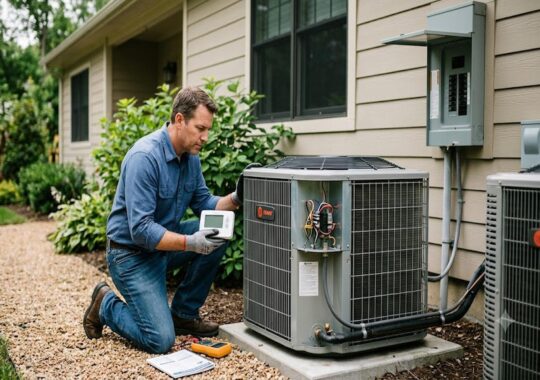
For facility managers, few building systems have a greater impact on daily operations than HVAC. Heating, ventilation, and air conditioning influence employee comfort, energy costs, indoor air quality, and equipment performance. As commercial buildings age, HVAC systems inevitably become less efficient, more expensive to maintain, and increasingly vulnerable to unexpected failures.
Planning an HVAC upgrade isn’t simply about replacing old equipment. It’s about making informed decisions that improve long-term performance while minimizing disruptions to business operations. Working with experienced providers of commercial heating and air services Sandersville, GA can help facility managers evaluate existing systems and develop a practical upgrade strategy that aligns with operational goals and budget.
Know When an Upgrade Makes Sense
Routine maintenance can extend the lifespan of commercial HVAC equipment, but every system eventually reaches a point where repairs become less cost-effective than replacement.
Common indicators that an upgrade should be considered include:
- Rising utility bills despite regular maintenance
- Frequent breakdowns and emergency service calls
- Uneven heating or cooling throughout the building
- Difficulty maintaining consistent indoor temperatures
- Aging equipment nearing or exceeding its expected service life
- Limited availability of replacement parts
Rather than waiting for a complete system failure, proactive planning allows organizations to schedule upgrades during less disruptive periods and avoid costly downtime.
Evaluate the Existing System
Before selecting new equipment, it’s important to understand how the current system performs.
A comprehensive assessment should include:
- Equipment age and condition
- Maintenance history
- Current energy consumption
- Indoor comfort issues
- Airflow performance
- Ventilation effectiveness
- Building occupancy patterns
Facility managers should also consider whether the building’s usage has changed over time. Renovations, increased occupancy, new equipment, or modified floor layouts can significantly alter heating and cooling demands.
Understanding these factors ensures that replacement equipment is properly sized and configured for current operational needs.
Set Clear Upgrade Goals
Every commercial property has unique priorities. Defining objectives early helps guide equipment selection and project planning.
Common goals include:
- Lowering energy consumption
- Reducing maintenance expenses
- Improving occupant comfort
- Enhancing indoor air quality
- Supporting sustainability initiatives
- Increasing equipment reliability
- Simplifying building management
Having measurable goals also makes it easier to evaluate different upgrade options and calculate long-term value.
Consider Energy Efficiency
Energy efficiency is often one of the primary reasons businesses invest in HVAC upgrades. Modern commercial systems typically offer substantial improvements over equipment installed 15 to 20 years ago.
Features that contribute to higher efficiency include:
- Variable-speed compressors
- High-efficiency motors
- Advanced controls
- Smart thermostats
- Zoned temperature management
- Energy recovery ventilation
Although high-efficiency equipment may require a larger initial investment, lower utility costs often help offset those expenses over time.
Facility managers should evaluate total lifecycle costs rather than focusing solely on purchase price.
Plan Around Business Operations
One of the biggest challenges in commercial HVAC projects is minimizing disruption to employees, customers, and daily operations.
Careful scheduling can reduce inconvenience by completing work:
- During evenings or weekends
- In phases for larger buildings
- During slower business seasons
- While coordinating with other renovation projects
Effective communication with contractors and internal stakeholders helps ensure everyone understands project timelines, temporary impacts, and expected outcomes.
A well-planned installation can significantly reduce downtime while maintaining business continuity.
Think Beyond Equipment Replacement
An HVAC upgrade provides an opportunity to improve the overall performance of the building—not just replace aging components.
Facility managers may also consider upgrading:
- Ductwork
- Building automation systems
- Ventilation controls
- Air filtration systems
- Humidity management
- Insulation around mechanical spaces
Addressing these supporting systems during the same project often produces greater efficiency gains than replacing HVAC equipment alone.
Prioritize Indoor Air Quality
Indoor air quality has become an increasingly important consideration for commercial buildings.
Modern HVAC upgrades can improve air quality through:
- Enhanced filtration
- Increased fresh air ventilation
- Better humidity control
- Improved airflow balancing
- Air purification technologies
Cleaner indoor air contributes to a healthier and more comfortable environment for employees, tenants, customers, and visitors.
For facilities such as healthcare offices, educational buildings, and professional workplaces, these improvements can be especially valuable.
Budget for the Long Term
Commercial HVAC upgrades represent a significant capital investment, making careful financial planning essential.
Facility managers should account for:
- Equipment costs
- Installation labor
- Building modifications
- Permit requirements
- Maintenance agreements
- Potential energy savings
- Future operating costs
It’s also worth researching available rebates, tax incentives, or energy-efficiency programs that may reduce overall project costs.
Looking beyond the upfront investment often reveals that efficient equipment delivers substantial savings over its operational lifespan.
Choose Equipment That Supports Future Growth
Buildings rarely remain static. Organizations expand, change layouts, adopt new technologies, and adjust occupancy levels over time.
When selecting replacement systems, consider future flexibility.
Scalable HVAC solutions can better accommodate:
- Office expansions
- Additional workstations
- Equipment upgrades
- Changing occupancy schedules
- New building additions
Planning for future needs today can help avoid expensive modifications later.
Work with Experienced Commercial HVAC Professionals
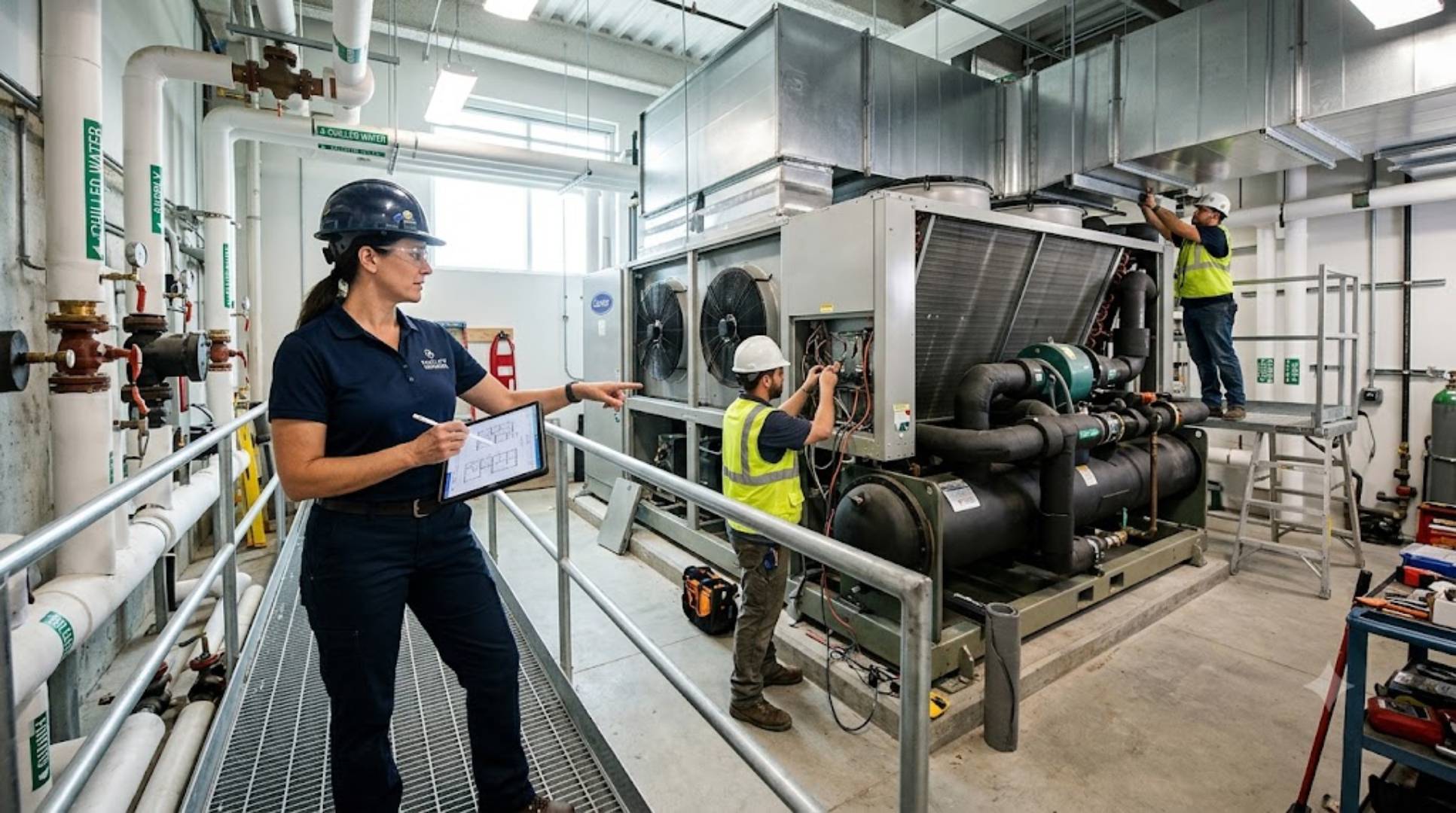
Commercial HVAC systems are significantly more complex than residential installations. Proper system design, load calculations, installation quality, and ongoing maintenance all influence long-term performance.
Experienced commercial contractors understand how to evaluate building requirements, recommend suitable equipment, coordinate installation schedules, and ensure systems comply with applicable codes and standards.
Partnering with knowledgeable professionals also helps facility managers make informed decisions based on operational goals rather than short-term fixes.
Conclusion
Planning a commercial HVAC upgrade requires thoughtful preparation, strategic budgeting, and a clear understanding of your building’s needs. Rather than reacting to equipment failures, facility managers can improve efficiency, reduce operating costs, and enhance occupant comfort by taking a proactive approach.
From assessing current system performance to selecting energy-efficient equipment and planning installations around business operations, every step plays an important role in the success of the project. With careful planning and the right expertise, a commercial HVAC upgrade becomes more than a replacement—it becomes a long-term investment in the performance, reliability, and sustainability of the entire facility