Modern homes are evolving fast. Homeowners want spaces that feel personal, work harder, and support everyday life without wasting energy or money. The latest home improvement trends focus on smart function, lasting comfort, and a stronger connection to nature. These changes will define how we live in the years ahead.
Smart Technology That Disappears Into Daily Life
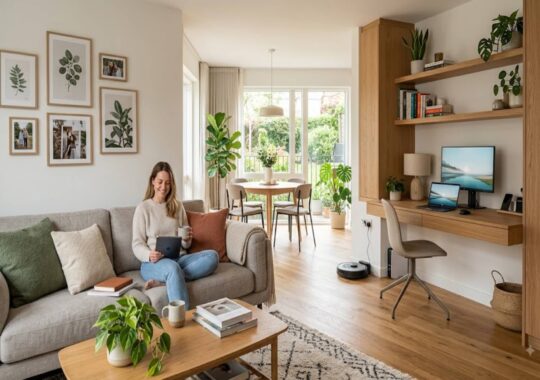
Tech no longer sits on display. Instead, it blends quietly into the background. Hidden charging stations, connected lighting that adjusts to your routine, and furniture with built-in power keep clutter low while making life smoother. Many pros now rank tech-integrated design as a top priority because it adds real value. Homeowners expect these features to boost resale appeal over time.
Voice controls and simple automation handle lighting, temperature, and security without complicated setups. The goal is convenience that feels natural, not flashy.
Sustainable Choices That Cut Costs and Waste
Energy efficiency has moved from nice-to-have to essential. WaterSense fixtures, net-zero-ready upgrades, and EV charging points appear in more listings every year. These features lower utility bills and prepare homes for the future.
Materials matter too. Durable options that last longer reduce the need for frequent replacements. Better insulation and high-performance windows keep homes comfortable year-round while using less power. Sustainability now pairs with practical savings, which explains its steady rise.
Bringing Nature Closer With Biophilic Design
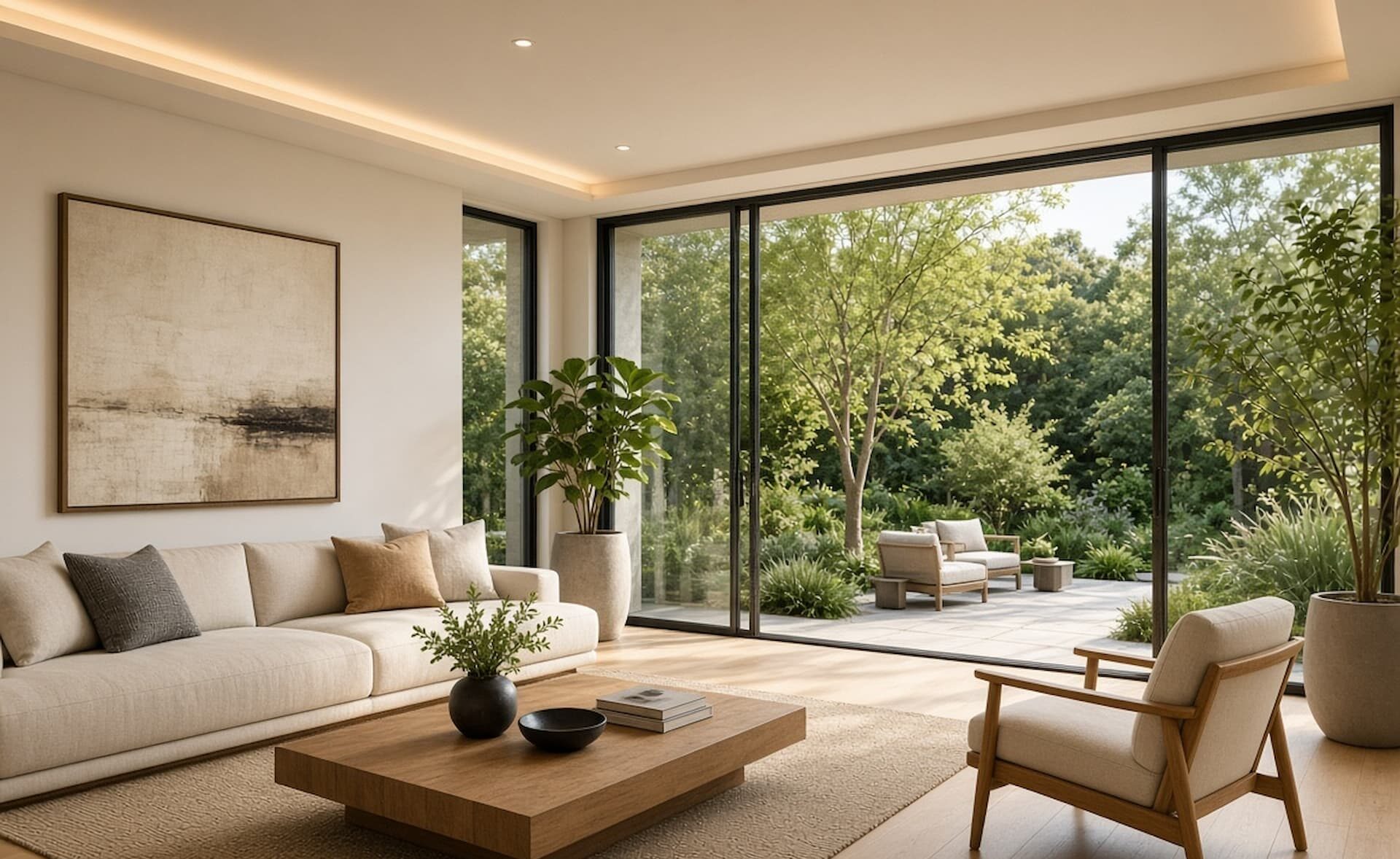
Indoor-outdoor living continues to grow. Large windows, sliding doors, and natural textures help people feel more connected to the outdoors. Sunrooms, screened patios, and indoor gardens create calm spots that support well-being.
This approach softens modern spaces. Warm woods, stone, and living plants replace cold, sterile looks. The result feels inviting and grounded.
Flexible Layouts for Changing Needs
Families change over time. Multigenerational living and hybrid work call for rooms that adapt easily. Spaces shift from playrooms to offices to quiet retreats without major renovations.
Folding partitions and open yet zoned floor plans make this possible. A flexible space can serve multiple purposes across different life stages. Accessory dwelling units also gain interest for independent living areas or extra income.
Warm Minimalism and Personal Touches
The stark white-box look is fading. Homeowners prefer clean lines softened by texture, color, and meaningful pieces. Warm minimalism keeps things simple but adds inviting layers—natural wood, soft fabrics, and curated art.
Personal curation matters more than matching a trend. Favorite colors, books, and collected items turn a house into a true home. Color on ceilings or unexpected surfaces creates flow without overwhelming the room.
Kitchens and Outdoor Areas Stay Front and Center
Kitchens remain the most popular remodeling project. Homeowners invest in better storage, durable surfaces, and layouts that support both cooking and gathering. Spa-like bathrooms follow closely for daily comfort.
Outside, outdoor living expands beyond the backyard. Front yards and porches turn into usable rooms with seating and shelter. These areas extend the home and improve curb appeal at the same time. For roofing decisions that protect and complement these modern updates, many look at durable options suited to a modern home.
These shifts show a clear pattern. People want homes that support real life—efficient, adaptable, and comforting. Insights from recent home improvement surveys confirm that technology, nature, and practical upgrades lead the way.
FAQs
What is the biggest home improvement trend right now?
Smart technology integration and energy-efficient features rank highest among professionals and homeowners.
Are sustainable upgrades worth the cost?
Yes. They lower monthly bills and often increase home value while reducing long-term maintenance needs.
How can I make my home feel more connected to nature?
Add larger windows, natural materials, indoor plants, or create seamless indoor-outdoor transitions with patios and sunrooms.
Do flexible spaces work in smaller homes?
Absolutely. Multifunctional rooms and movable partitions help maximize every square foot without major structural changes.
Should I prioritize the kitchen or outdoor areas?
Both deliver strong returns, but kitchens remain the top remodeling choice for most households.
Conclusion
The trends shaping modern homes put people first. Smart features simplify routines. Sustainable upgrades protect both wallets and the planet. Flexible designs grow with families, while warmer, nature-inspired details create spaces that feel good to live in.
Focus on projects that deliver lasting function and comfort. Small, thoughtful changes often make the biggest difference. Homes that adapt well today will stay relevant and valuable for years to come.