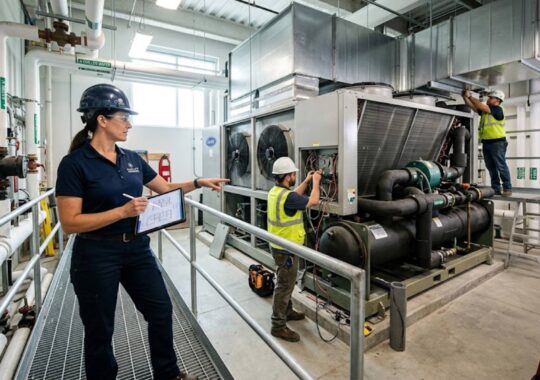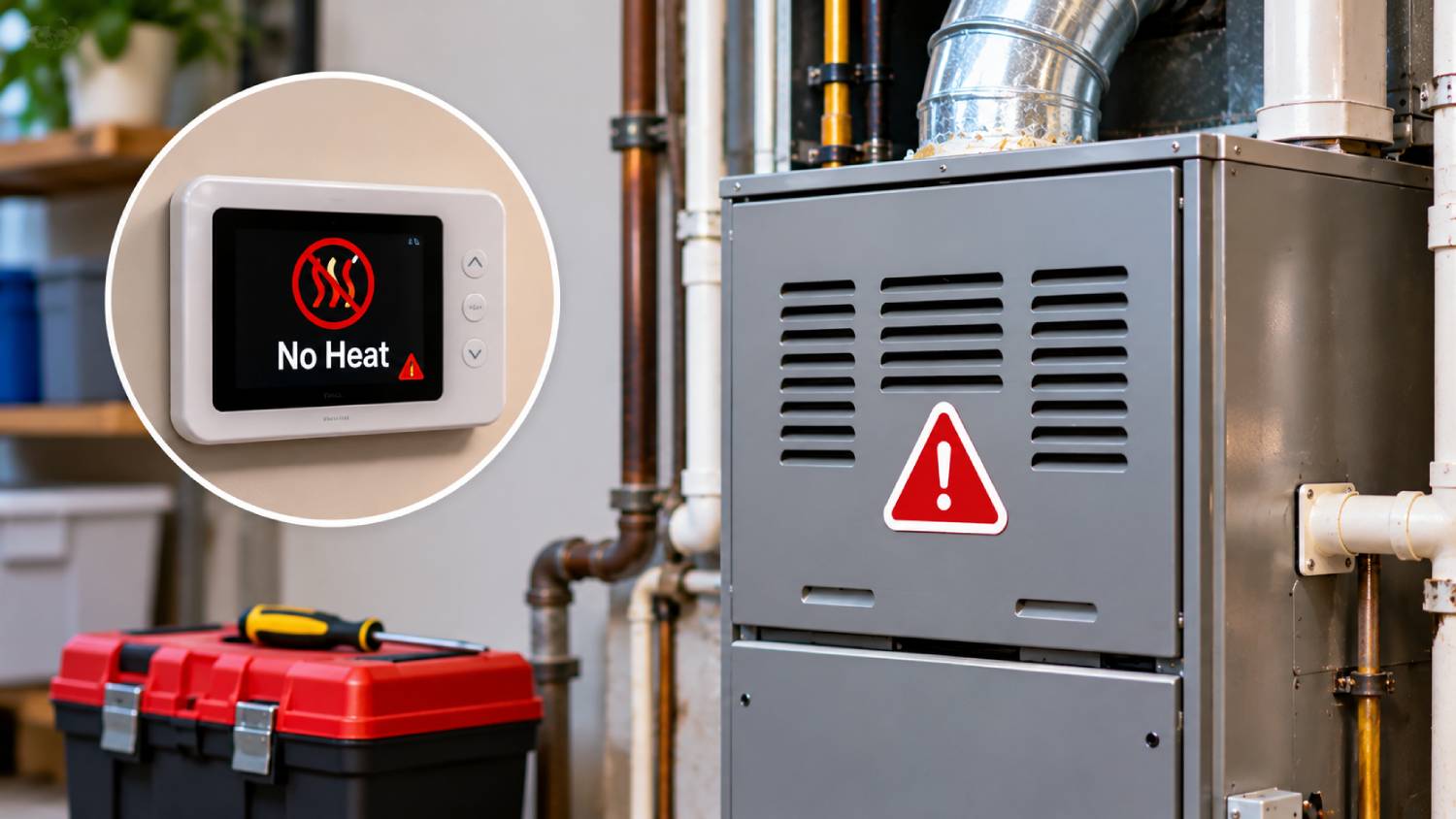
A heating system can stop working without obvious warning, leaving your home uncomfortable and raising concerns about safety, repair costs, and how quickly the problem can be resolved. Knowing what to check first can help you avoid unnecessary risks and make informed decisions about restoring heat.
If you need heating repair in Lawrenceville, GA, understanding common causes of sudden system failure can help you explain the symptoms to an HVAC professional. From thermostat problems to electrical faults and ignition failures, identifying the warning signs is an important first step.
Why Heating Systems Can Fail Suddenly
Heating systems contain several components that must work together to produce and distribute heat. A problem with the thermostat, ignition system, blower motor, electrical controls, or airflow can interrupt normal operation.
Some failures develop gradually, while others appear sudden because a worn component finally stops working. A clogged air filter can also restrict airflow and cause certain systems to shut down through a safety control.
Regular maintenance can help identify developing problems, but it cannot prevent every breakdown. Understanding the possible causes helps homeowners respond calmly and avoid attempting repairs beyond their experience.
What to Do Immediately When the Heat Stops
Start by checking whether the problem affects the entire home or only certain rooms. If every room is cold, the heating equipment or its controls may be responsible. If only some areas are affected, blocked vents or ductwork problems could be contributing.
Before investigating further, pay attention to unusual smells or sounds. If you smell gas, leave the building without operating switches or using anything that could create a spark. Contact the gas utility or emergency services from a safe location, following local guidance. If a carbon monoxide alarm sounds, move everyone outdoors and seek emergency assistance.
Do not restart a system that shows signs of electrical burning, smoke, or other dangerous behavior. Safety should always come before restoring heat.
Simple Checks Before Calling an HVAC Professional
If there are no signs of an emergency, a few basic checks may help identify a simple cause. Avoid opening equipment panels or handling electrical, gas, or internal mechanical components.
- Check the thermostat: Make sure it is set to heating mode, the target temperature is above the current room temperature, and the display is working.
- Inspect the circuit breaker: Check whether the heating system’s breaker has tripped. If it trips again after being reset, leave it alone and contact an electrician or HVAC professional.
- Examine the air filter: A heavily clogged filter can restrict airflow. Replace it if needed, following the manufacturer’s instructions.
- Check air vents: Ensure supply vents and return grilles are not blocked by furniture, rugs, or other objects.
- Look for visible error codes: If the thermostat or equipment displays a fault code, record it for the technician instead of attempting an unfamiliar reset.
If these checks do not restore operation, arrange a professional inspection rather than repeatedly restarting the equipment.
Common Signs of a More Serious Heating Problem
A heating system may show symptoms that help narrow down the possible cause. For example, a furnace that runs without producing warm air could have an ignition, fuel supply, or control problem. A heat pump blowing cooler air briefly may be operating normally during its defrost cycle, but persistent inadequate heating deserves attention.
Repeated starting and stopping, weak airflow, unusual banging or grinding noises, and unexplained increases in energy use can also indicate a developing fault. These symptoms do not confirm a specific problem on their own, so professional testing may be necessary.
For homeowners seeking heating repair in Lawrenceville, GA, sharing these observations with a technician can help guide the diagnostic process. Note when the failure began, whether the system makes unusual sounds, and whether any warning lights or error codes appear.
When to Call a Heating Professional
Contact an HVAC professional when the system remains unresponsive after basic checks, repeatedly trips a breaker, produces unusual noises, or fails to maintain a comfortable temperature. Gas furnace ignition problems, damaged electrical components, refrigerant issues, and internal motor faults require appropriate expertise.
During a service visit, a technician can inspect the system, identify the underlying fault, and explain the available repair options. Ask for a clear estimate before authorizing work and find out whether the proposed repair addresses the cause rather than only the symptom.
If the equipment is older or has required repeated repairs, ask whether repairing it remains practical compared with replacement. The decision should account for the system’s condition, repair history, expected remaining service life, and the cost of suitable alternatives.
How to Reduce the Risk of Future Breakdowns
Although unexpected failures cannot always be avoided, routine care can help reduce preventable problems. Schedule professional maintenance according to the manufacturer’s recommendations, ideally before the heating season begins.
Replace air filters at the recommended intervals and keep vents unobstructed. Pay attention to changes in noise, airflow, heating performance, and energy consumption rather than waiting for the system to stop completely.
Homeowners should also test carbon monoxide alarms according to the manufacturer’s instructions and maintain them as recommended. These alarms are especially important where fuel-burning equipment is present, but they do not replace proper equipment maintenance and inspection.
FAQs About Heating Systems
Q.1 What should I check first when my heating system stops working?
Check the thermostat settings, air filter, and visible air vents if there are no signs of danger. If the system still does not work, contact an HVAC professional.
Q.2 Can a dirty air filter cause a heating system to shut down?
Yes. A clogged filter can restrict airflow and cause some systems to overheat or activate safety controls. Replace the filter according to the manufacturer’s instructions.
Q.3 Is it safe to keep restarting a heating system that will not turn on?
No. Repeated failures may indicate an underlying electrical, ignition, or mechanical problem. Stop attempting restarts if the system continues to fail or shows unusual symptoms.
Q.4 When is a heating system failure an emergency?
A suspected gas leak, carbon monoxide alarm, smoke, or electrical burning smell requires immediate safety action. Leave the affected area when necessary and contact the appropriate emergency service.
Q.5 Should I repair or replace a heating system that fails unexpectedly?
The decision depends on the equipment’s age, condition, repair history, and estimated repair cost. Ask a qualified technician to explain both options before deciding.
Bringing It All Together
A sudden heating failure can have several causes, from simple thermostat issues to more serious electrical, ignition, or mechanical faults. Start with safe, basic checks, watch for warning signs, and seek professional help when the cause is unclear or the problem persists.
To reduce future disruptions, maintain your equipment, replace filters as recommended, and address unusual noises or performance changes promptly. Taking these practical steps can help protect your home’s comfort and support safer, more reliable heating.